Instagram Algorithm 2026: The Complete Guide to the Biggest Shift in Social Media Marketing
The Instagram landscape has transformed dramatically in 2026. What worked yesterday won’t work tomorrow. The platform has undergone its most significant algorithm shift since its inception, and brands that don’t adapt will disappear from feeds entirely.
This comprehensive guide breaks down everything you need to know about Instagram’s 2026 algorithm changes. We’ll explore why user-generated content now trumps polished brand posts, how hashtag strategies have completely flipped, and why authentic storytelling beats aesthetic perfection every single time.
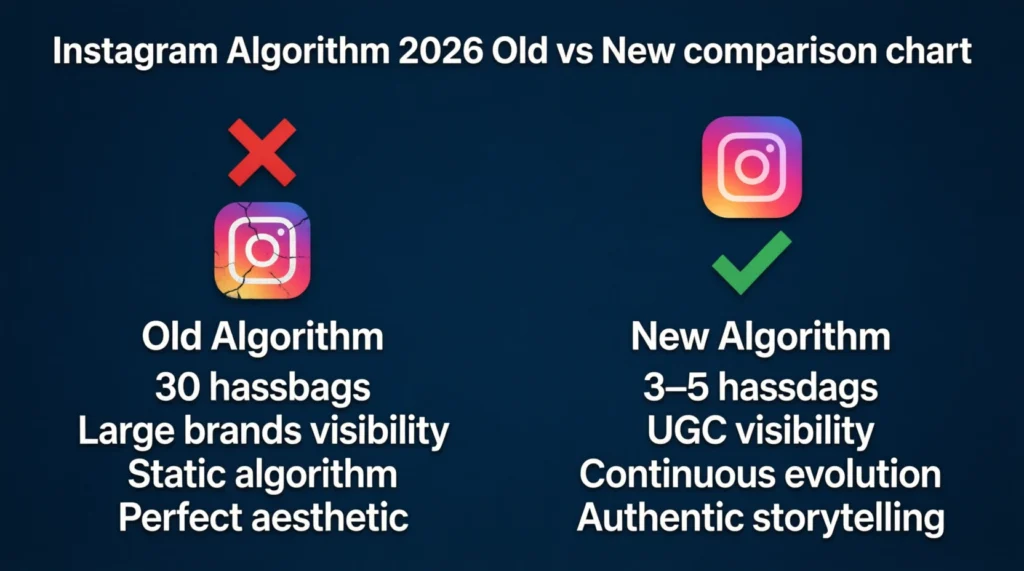
If you’re still using 30 hashtags or prioritizing grid aesthetics over real-time engagement, you’re already behind. But don’t worry—we’re here to help you navigate this new terrain and emerge stronger than ever.
Understanding the Instagram Algorithm Shift of 2026
Why Instagram Changed Everything
Instagram’s 2026 algorithm update represents more than just a tweak to the system. It’s a fundamental reimagining of how content gets discovered, shared, and valued on the platform. The days of gaming the system with hashtag stuffing and perfectly curated feeds are officially over.
The platform made this dramatic shift for several critical reasons. First, user behavior has evolved. People crave authenticity over perfection. They want to see real moments, genuine connections, and content that feels human rather than corporate. Instagram recognized this shift and realigned its algorithm to reward what users actually want to see.
Second, competition from TikTok and other short-form video platforms forced Instagram’s hand. The platform needed to prioritize content that keeps users engaged longer, and data showed that authentic, user-generated content performs significantly better than traditional brand posts.
Third, the rise of AI-generated content flooded the platform with low-quality, spammy posts. Instagram’s new algorithm specifically targets and demotes this type of content while elevating genuine human creativity and interaction.
The Death of Static Algorithms
Previous Instagram algorithms operated on relatively predictable patterns. Post at the right time, use the right hashtags, maintain engagement rates, and you’d see consistent reach. That predictability is gone.
The 2026 algorithm features continuous evolution. It learns and adapts in real-time based on user behavior patterns, content performance metrics, and emerging trends. What works this week might not work next week. This dynamic approach keeps the platform fresh but demands that marketers stay agile and responsive.
Instagram’s engineering team has implemented machine learning models that analyze thousands of signals simultaneously. These include how long someone watches your content, whether they share it via DM, if they visit your profile after viewing a post, and even the sentiment of comments left on your content.
The algorithm now prioritizes content that sparks meaningful conversations and builds community. It’s no longer enough to get likes. You need to create content that makes people want to talk, share, and connect with others.
User-Generated Content: The New King of Instagram Visibility
Why UGC Dominates the 2026 Algorithm
User-generated content has exploded to the top of Instagram’s priority list. The algorithm now heavily favors authentic content created by real users over polished brand productions. This represents a massive shift from previous years when large brands with big budgets dominated visibility.
The reason behind this shift is simple: trust. Consumers trust other consumers far more than they trust brands. When someone sees a real person using a product in their daily life, it feels more genuine than a professionally shot advertisement. Instagram’s data shows that UGC receives 4.5 times higher engagement rates than brand-created content.
The algorithm recognizes this trust factor and rewards it with increased visibility. Posts tagged with UGC indicators, reposts from customer accounts, and content featuring real customer testimonials now receive preferential treatment in the feed and Explore page.
How to Leverage UGC for Maximum Reach
Building a successful UGC strategy requires more than just hoping customers post about your brand. You need to actively encourage, curate, and amplify user-generated content.
Start by creating branded hashtags that make it easy for customers to share their experiences. But don’t stop there. Actively engage with every piece of UGC you receive. Like, comment, and share these posts to your Stories. This encouragement motivates others to create content about your brand.
Consider running UGC campaigns with specific themes or challenges. Give people a reason to create content beyond just tagging your brand. Offer incentives like featuring their post on your main feed, providing discounts, or entering them into contests.
Reposting UGC to your main feed and Stories should become a regular part of your content calendar. Aim for at least 30-40% of your content to be user-generated. This not only satisfies the algorithm but also builds community and trust with your audience.
Create a streamlined process for obtaining permission to repost customer content. A simple DM asking for permission shows respect and often strengthens the relationship with that customer. Many brands create highlight reels featuring their best UGC, giving it permanent visibility on their profile.
Turning Customers into Brand Advocates
The most successful brands in 2026 don’t just collect UGC. They transform their customers into genuine brand advocates. This requires building relationships, not just transactions.
Engage with your customers’ content even when it doesn’t directly mention your brand. Show genuine interest in their lives and interests. This human approach creates emotional connections that translate into loyal advocacy.
Create exclusive communities for your most engaged customers. VIP groups, early access programs, and ambassador opportunities give your biggest fans reasons to create even more content about your brand. These superfans become powerful amplifiers of your message.
Share behind-the-scenes content that shows the human side of your brand. When customers see the people behind the logo, they feel more connected and more likely to create authentic content about their experiences with your brand.
Hashtag Strategy Revolution: From 30 to 3-5 Strategic Tags
Why Less Is More in 2026
The hashtag strategy that dominated Instagram for years has been completely overturned. Where brands once stuffed posts with 30 hashtags hoping for maximum reach, the 2026 algorithm rewards precision and relevance with just 3-5 carefully chosen tags.
This dramatic reduction reflects Instagram’s improved ability to understand content context through AI and machine learning. The platform no longer needs dozens of hashtags to categorize your content. It can analyze your image, video, caption, and engagement patterns to determine exactly what your post is about.
Using too many hashtags now actually hurts your reach. The algorithm interprets excessive hashtag use as spammy behavior, similar to how email filters treat keyword stuffing. Posts with 20+ hashtags often see reduced visibility compared to those with focused, strategic tagging.
Mastering Strategic Hashtag Selection
Choosing the right 3-5 hashtags requires more thought than ever before. Each tag must serve a specific purpose in your overall strategy.
Your first hashtag should be highly specific to your content. If you’re posting about a chocolate chip cookie recipe, use something like #ChocolateChipCookies rather than the overly broad #Food. Specific hashtags have less competition and help you reach people actively searching for exactly what you’re offering.
The second hashtag should target your ideal audience demographic. Think about who you want to see this content and what hashtags they follow. For a fitness brand targeting busy professionals, #BusyProfessionalFitness might perform better than the generic #Fitness.
Your third hashtag can be a branded tag that builds your community. This could be your company name, a campaign-specific tag, or a community you’re building. Consistently using this tag helps create a searchable archive of your content.
Consider using one hashtag for trending topics when relevant, but only if it genuinely connects to your content. Forced trend-jacking is obvious to users and can damage your credibility.
The final hashtag slot can be used for location-based tagging if applicable. Local businesses especially benefit from geo-specific hashtags that connect them with nearby potential customers.
Integrating SEO Beyond Hashtags
Hashtags are just one piece of the Instagram SEO puzzle in 2026. The platform now analyzes your entire post for searchability, including captions, alt text, and even text overlays on images and videos.
Write captions that naturally incorporate keywords your target audience searches for. Don’t keyword stuff, but do think about the phrases people might use when looking for content like yours. If you’re a wedding photographer, naturally include terms like “wedding photography tips” or “bridal portrait ideas” in your captions.
Use Instagram’s alt text feature for every post. This accessibility feature doubles as an SEO tool, helping the algorithm understand your content while making it accessible to visually impaired users. Write descriptive alt text that includes relevant keywords naturally.
Add text overlays to your videos and Reels that include important keywords. Instagram’s AI can read this text and use it to categorize and rank your content. This is particularly important for educational or tutorial content where specific terms matter.
Your profile itself plays a crucial role in Instagram SEO. Ensure your name field includes keywords people might search for, not just your brand name. A bakery might use “Sarah’s Bakery | Custom Cakes Chicago” to capture local search traffic.
The Dynamic Algorithm: Adapting to Continuous Evolution
Embracing Algorithm Uncertainty
The static algorithms of the past provided comfort through predictability. Marketers could develop strategies that worked consistently for months or even years. The 2026 Instagram algorithm eliminates this comfort zone, demanding constant adaptation and learning.
This continuous evolution means your content strategy can’t be set-and-forget. You need to monitor performance daily, identify patterns quickly, and pivot when necessary. What drove engagement last Tuesday might fall flat this Tuesday, and that’s normal in the new Instagram landscape.
The algorithm tests new content distribution methods constantly. It experiments with how it surfaces posts in feeds, how it ranks Explore page content, and how it determines which Reels go viral. These tests happen in real-time, meaning the platform you’re marketing on today might function slightly differently tomorrow.
Building an Agile Content Strategy
Success in 2026 requires building flexibility into every aspect of your Instagram strategy. Rigid content calendars planned months in advance will fail. Instead, create frameworks that allow for rapid response to emerging trends and algorithm shifts.
Develop a content mix that includes evergreen posts, timely content, and experimental formats. Evergreen content provides stability, timely content captures trending moments, and experimental content helps you discover what the algorithm currently favors.
Test new features immediately when Instagram releases them. The algorithm typically gives preferential treatment to early adopters of new tools and formats. When Instagram launched Notes, for example, accounts using Notes saw increased overall visibility. The same pattern applies to every new feature release.
Create a testing framework for your content. Rather than posting randomly, systematically test different variables: posting times, caption lengths, content formats, CTA placements. Document what works and what doesn’t, but understand that these learnings have expiration dates.
Diversify your content formats aggressively. Don’t become known as just a Reels account or just a carousel account. The algorithm favors accounts that demonstrate versatility and keep users engaged through multiple content types. Mix Reels, carousels, single images, Stories, and Lives throughout your content calendar.
Monitoring Algorithm Signals
Stay informed about algorithm changes by following official Instagram announcements, but also by watching your own analytics closely. Sudden drops or spikes in reach often signal algorithm adjustments before they’re publicly acknowledged.
Join marketer communities where professionals share real-time observations about algorithm behavior. These groups often identify patterns faster than any single account could alone. When multiple marketers notice the same shift simultaneously, it usually indicates an algorithm update.
Pay attention to which accounts in your niche suddenly gain or lose visibility. If competitors using similar strategies experience changes, it likely reflects algorithm adjustments rather than content quality issues.
Set up alerts for significant metric changes. If your average reach drops by 30% or more overnight, investigate immediately. Early detection of algorithm shifts gives you time to adapt before losing weeks of momentum.
DM Emphasis: The Rise of Private Engagement
Why Direct Messages Matter More Than Ever
Instagram’s 2026 algorithm places unprecedented importance on direct message engagement. When users share your content via DM or start conversations with your account, the algorithm interprets this as high-value engagement worth amplifying.
Private engagement signals trust and genuine interest more clearly than public likes or comments. Anyone can double-tap a post mindlessly, but taking time to share content with a friend or message a brand directly indicates real investment in the content.
The algorithm now tracks DM metrics closely: how often your content gets shared privately, how many people initiate conversations with your account, response rates to your Stories, and the quality of DM interactions. Accounts that generate significant DM activity receive boosted visibility across the platform.
This shift reflects Instagram’s broader goal of fostering meaningful connections rather than superficial engagement. The platform wants to facilitate real relationships between users and brands, not just passive scrolling.
Strategies to Boost DM Engagement
Creating content that naturally encourages DMs requires understanding what motivates people to move from public to private engagement. People typically DM content that feels personal, exclusive, or directly relevant to their situation.
Use Stories stickers strategically to prompt DMs. The question sticker, poll sticker, and quiz sticker all create natural opportunities for private follow-up. When someone responds to a Story, immediately engage with them via DM to continue the conversation.
Create “DM me for” content that offers genuine value. This could be a free resource, personalized advice, exclusive access, or special pricing. The key is delivering real value, not just baiting engagement. Follow through on every promise you make in these posts.
Share vulnerable, authentic content that invites personal connection. When you show your human side, people feel more comfortable reaching out privately. Behind-the-scenes content, personal stories, and honest discussions about challenges all work well here.
Respond to every DM you receive, and do so quickly. The algorithm tracks response times and conversation length. Accounts that maintain active, ongoing DM conversations receive higher priority in followers’ feeds. Set up saved replies for common questions to maintain speed without sacrificing personalization.
Create exclusive content or communities accessible only through DM. This could be a VIP list, early access to products, or members-only tips. The exclusivity motivates people to initiate DM contact, boosting your algorithmic standing.
Building Community Through Private Conversations
The most successful Instagram accounts in 2026 treat DMs as relationship-building opportunities, not customer service obligations. Every private message is a chance to deepen connection and create a loyal advocate.
Remember details about people who DM you regularly. Reference previous conversations, ask follow-up questions, and show genuine interest in their lives. This personal touch transforms one-time messagers into long-term community members.
Use DMs to gather feedback and ideas directly from your most engaged followers. Ask what content they want to see, what problems they’re facing, and how you can serve them better. This not only improves your strategy but makes people feel valued and heard.
Create group DMs or broadcast channels for different segments of your audience. VIP customers might get one channel, while prospects get another. This targeted approach allows for more relevant communication and stronger community bonds.
Don’t be overly promotional in DMs. Focus on providing value, answering questions, and building relationships. Sales will follow naturally from trust, but pushing products in private messages damages relationships and can get you reported for spam.
Authentic Storytelling Over Aesthetic Perfection
The End of Perfect Grids
For years, Instagram marketing revolved around creating perfectly cohesive, aesthetically pleasing grids. Brands spent hours ensuring color palettes matched, feeds looked curated, and every post maintained visual consistency. That era has ended.
The 2026 algorithm actively favors messy, authentic storytelling over polished perfection. Posts that feel real, raw, and unfiltered now outperform highly produced content. This shift reflects changing user preferences and the platform’s effort to combat the unrealistic standards that social media has been criticized for promoting.
Users have developed “ad blindness” toward overly polished content. When everything looks perfect, nothing feels trustworthy. Imperfect content, by contrast, stands out as genuine and relatable. The algorithm recognizes this user behavior and rewards authenticity with increased reach.
This doesn’t mean abandoning quality entirely. It means prioritizing substance over style, message over aesthetics, and connection over curation. Your content should still be well-composed and clear, but it doesn’t need to look like it came from a professional photo shoot.
Crafting Compelling Authentic Narratives
Authentic storytelling requires vulnerability and honesty. Share your failures alongside your successes. Talk about challenges you’re facing, mistakes you’ve made, and lessons you’ve learned. This openness creates emotional connections that polished content simply cannot achieve.
Document your process, not just your results. Show the messy middle, the work-in-progress, the behind-the-scenes chaos. People want to see the journey, not just the destination. This approach also provides more content opportunities since you’re not waiting for perfect moments to share.
Use captions to tell complete stories rather than posting pretty pictures with minimal text. Long-form captions that share personal experiences, insights, or educational content perform exceptionally well. Don’t be afraid to write 500+ word captions if you have something valuable to say.
Embrace imperfection in your visuals. Post photos that aren’t perfectly lit, videos with background noise, or screenshots with visible UI elements. These “flaws” actually increase credibility and relatability.
Share user stories and testimonials in their raw form. Don’t over-edit customer quotes or recreate their photos with professional models. Authentic voices resonate more than polished recreations.
Balancing Authenticity With Brand Identity
While authenticity is crucial, you still need to maintain some level of brand consistency. The key is finding the intersection between genuine expression and recognizable identity.
Develop brand values and voice guidelines rather than rigid visual rules. Your personality and principles should remain consistent even if your aesthetic varies. This allows for authentic expression while maintaining brand recognition.
Create content pillars that align with both your brand mission and authentic storytelling. If you’re a sustainability brand, share real stories about environmental challenges you face in your operations, not just perfect green initiatives.
Be consistent in your posting frequency and engagement, even if individual posts vary in style. Your audience should know they can rely on you for regular, valuable content, even if that content doesn’t always look the same.
Use Stories for experimental, less polished content while keeping your main feed slightly more curated if that feels right for your brand. You don’t have to abandon all structure—just prioritize authenticity over perfection.
Real-Time Trends and Content Agility
The Power of Timely Content
Timeliness has become critical in the 2026 Instagram landscape. The algorithm heavily favors content that responds to current events, trending topics, and real-time conversations. Posts that feel immediate and relevant receive significantly more visibility than evergreen content posted without context.
This shift rewards brands that can move quickly and participate in cultural moments authentically. When something is happening in the world, in your industry, or in pop culture, the algorithm wants to surface content that addresses it now, not next week.
Real-time content creates urgency and FOMO (fear of missing out) that drives higher engagement. Users know that timely content won’t be relevant forever, so they engage with it immediately rather than saving it for later. This immediate engagement signals to the algorithm that your content deserves broader distribution.
The platform’s increased emphasis on Reels and Stories supports this real-time focus. These formats are designed for quick creation and immediate sharing, perfect for capitalizing on trending moments.
Identifying and Leveraging Trends
Successful trend participation requires balancing speed with strategy. Jumping on every trend looks desperate and often backfires. Instead, develop a framework for evaluating which trends align with your brand and audience.
Monitor trending hashtags, audio clips, and content formats daily. Use Instagram’s Explore page, trending audio in Reels, and third-party tools to identify what’s gaining momentum. But don’t just look at what’s trending—analyze why it’s trending and whether it fits your brand.
Put your unique spin on trends rather than copying them exactly. Add your brand’s perspective, humor, or expertise to make the trend your own. Generic trend participation gets lost in the noise; distinctive takes stand out.
Create systems that allow rapid content creation when trends emerge. This might mean having templates ready, keeping a library of b-roll footage, or empowering team members to create and post without lengthy approval processes. Speed matters, but not at the expense of quality or brand safety.
Participate in trends early for maximum impact. The algorithm gives preferential treatment to early adopters of trending formats and audio. By the time a trend is saturated, its algorithmic boost has diminished significantly.
Building a Real-Time Content Workflow
Implementing real-time content strategies requires operational changes, not just creative ones. You need processes that enable quick response without sacrificing quality or brand standards.
Designate team members with authority to create and post time-sensitive content without going through traditional approval chains. Establish clear guidelines about what’s acceptable so these team members can act confidently and quickly.
Create content templates and frameworks in advance that can be quickly customized for trending topics. Having reusable structures speeds up production while maintaining quality and brand consistency.
Develop a trend evaluation checklist: Does this align with our values? Is it appropriate for our audience? Can we add unique value? Can we create this quickly? If you can’t check all boxes, skip the trend.
Schedule regular trend brainstorming sessions where your team reviews emerging opportunities and plans potential responses. Being proactive rather than purely reactive improves both speed and quality.
Use scheduling tools flexibly. While evergreen content can be scheduled weeks in advance, leave room in your calendar for spontaneous, timely posts. A rigid posting schedule prevents you from capitalizing on unexpected opportunities.
Data-Driven Metrics for Content Optimization
Moving Beyond Vanity Metrics
The 2026 Instagram algorithm and marketing landscape demand sophisticated analytics that go far beyond likes and follower counts. These vanity metrics might make you feel good, but they don’t drive business results or indicate true content performance.
Focus on metrics that reflect genuine engagement and business impact: saves, shares, DM conversations initiated, profile visits, website clicks, and conversion rates. These actions require more effort from users and indicate real interest in your content.
The algorithm itself prioritizes these deeper engagement signals. When someone saves your post or shares it via DM, Instagram interprets this as high-quality engagement worth amplifying. A post with 100 saves will typically outperform a post with 1,000 likes in terms of reach.
Track metrics over time to identify patterns and trends. Single-post performance can be misleading due to algorithmic variability. Look at 30-day averages, content type comparisons, and audience growth quality rather than daily fluctuations.
Key Performance Indicators for 2026
Instagram provides extensive analytics through Instagram Insights, but you need to know which metrics actually matter for your goals. Different objectives require different KPIs.
For brand awareness, prioritize reach, impressions, and profile visits. These metrics show how many people are discovering your content and becoming aware of your brand. Track your reach-to-follower ratio to measure how effectively you’re expanding beyond your existing audience.
For engagement and community building, focus on saves, shares, comments, and DM conversations. These actions indicate that people find your content valuable enough to interact with meaningfully. Calculate engagement rate using saves and shares weighted more heavily than likes.
For traffic and conversions, monitor link clicks, website visits from Instagram, and conversion rates. Use UTM parameters to track exactly which posts drive traffic and sales. Instagram’s shopping features provide additional conversion data for e-commerce brands.
For content optimization, analyze completion rates on Reels and videos, exit rates on carousels, and Story completion rates. These metrics show whether your content holds attention or loses people partway through.
Track audience demographics and active times to optimize posting schedules and content themes. Understanding who your audience is and when they’re online helps you create more relevant content and post at optimal times.
Implementing Data-Driven Decision Making
Collecting data is only valuable if you act on it. Build regular review processes that translate analytics into actionable strategy adjustments.
Conduct weekly performance reviews to identify what’s working and what’s not. Look for patterns across multiple posts rather than fixating on individual winners or losers. Ask: Which content types performed best? What topics resonated? What formats drove the most saves and shares?
Run A/B tests systematically. Test one variable at a time: caption length, posting time, image versus video, different CTAs. Document your tests and results to build a knowledge base of what works for your specific audience.
Create content scorecards that rate each post across multiple metrics. This holistic view prevents over-optimizing for a single metric while ignoring others. A post with moderate likes but high saves and shares might be more valuable than a viral post with no meaningful engagement.
Use data to inform your content calendar, not dictate it. Analytics should guide strategy, but don’t become so data-driven that you lose creativity and authenticity. Balance what the numbers say with your brand intuition and audience understanding.
Set specific, measurable goals for each piece of content and campaign. Before posting, define what success looks like. After posting, compare actual performance against your goals to evaluate effectiveness and identify improvement opportunities.
Conclusion: Embracing Instagram’s New Reality
The Instagram algorithm shift of 2026 represents both a challenge and an opportunity. Brands clinging to old strategies—hashtag stuffing, aesthetic perfection, and static planning—will find themselves increasingly invisible. But those who embrace authenticity, agility, and genuine connection will thrive in this new landscape.
Success on Instagram in 2026 requires fundamental mindset shifts. Stop trying to game the algorithm and start focusing on creating genuine value for your audience. Replace perfectionism with authenticity. Swap rigid planning for agile responsiveness. Move from broadcasting to conversing.
The winners in this new era won’t necessarily be the brands with the biggest budgets or most polished production. They’ll be the brands that build real communities, tell compelling stories, respond to trends with speed and authenticity, and use data to continuously improve.
Start implementing these strategies today. Audit your current approach against the new algorithm priorities. Identify where you’re still operating with old tactics. Create an action plan to shift toward UGC, strategic hashtags, real-time content, and data-driven optimization.
Remember that algorithm changes will continue. Instagram will keep evolving, and staying successful requires ongoing adaptation. Build a culture of learning and experimentation within your team. Stay curious, stay flexible, and stay focused on serving your audience authentically.
The brands that win on Instagram in 2026 and beyond won’t be those that chase algorithms. They’ll be those that use the platform’s tools to build genuine human connections, share valuable stories, and create communities worth belonging to. That’s not just good algorithm strategy—it’s good business, period.
Your Instagram success in this new era starts with a single decision: Will you cling to what used to work, or will you evolve with the platform? The algorithm has shifted. Now it’s your turn to shift with it.